


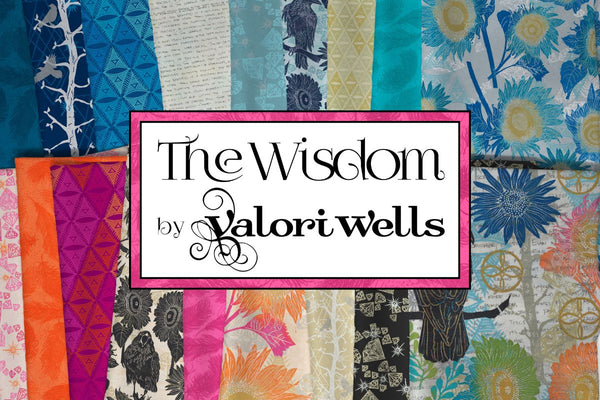
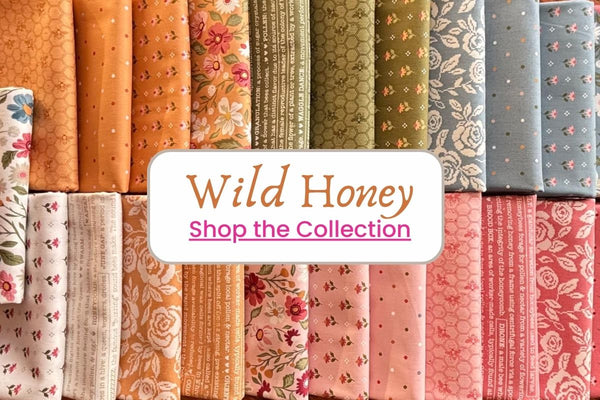



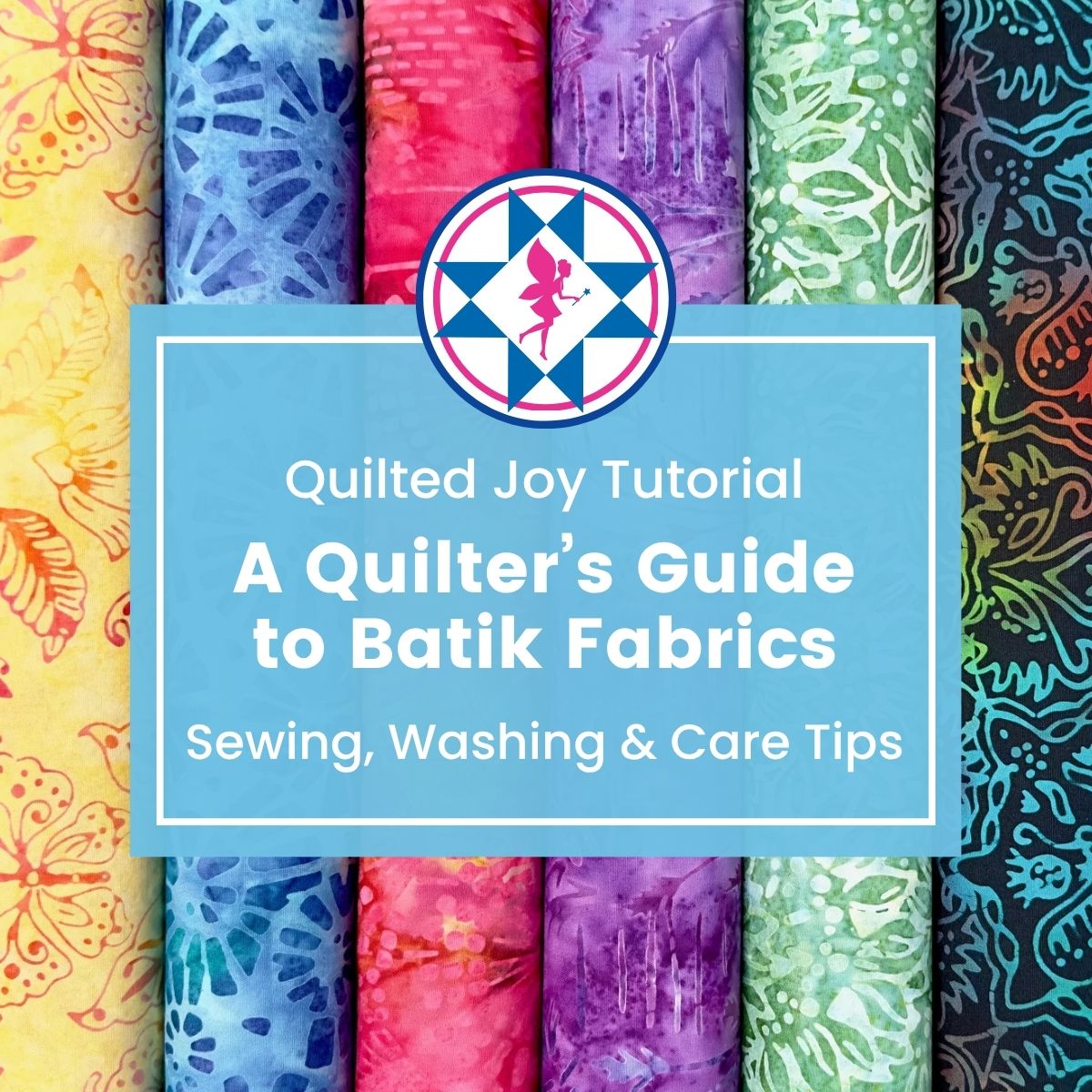
Batik fabrics are hard to miss. Their rich colors, layered designs, and hand-dyed look can add incredible depth to a quilt, whether you use a whole collection of batiks or mix a few into a project for a pop of color.
But batiks are a little different from traditional quilting cotton. Their tighter weave and unique dyeing process affect how they feel, sew, press, and should be cared for. The good news is that you don't need to treat them like something precious or complicated. A few simple tips can help you get beautiful results and keep those gorgeous colors looking their best.
What Is Batik Fabric?
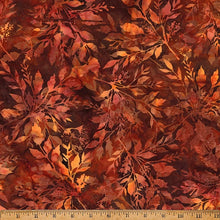
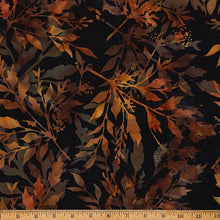
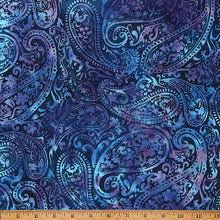
Batik fabric is hand made by artisans using rich dyes and many get their distinctive look from a wax-resist dyeing process. Wax is hand stamped to portions of the fabric after a base dye has been used for the underlying color of the fabric. The wax stamp is called a Tjap and it prevents areas from absorbing dye. The process can be repeated with different colors and designs to create the intricate patterns, variations, and rich color combinations batiks are known for.
Watch how artisans carefully line up a Tjap across the base fabric to prep it for the next step in the dyeing process. It is fascinating to watch the design begin to emerge!
This process is also part of what makes batiks so much fun to use in quilts. Even fabrics within the same color family can have lots of movement, variation and depth to their colors, giving you an easy way to add visual texture without relying on a traditional printed design. Plus, every batik is hand made by an artisan using time tested techniques in small batches.

Are Batiks Different From Regular Quilting Cotton?
One of the biggest differences you'll notice is the weave. Many batiks use poplin as its base cloth. It is because of this tighter weave and finer yarn that the fabric has a smooth, dense feel.
That tighter weave helps facilitate the dyeing process. The dyes are completely embedded into the cotton fiber unlike other quilting cottons which may only have color on one side of the cotton. This means that most batiks don't have a 'right' side or a 'wrong' side making batiks an ideal fabric for a beginning sewist to use so they don't have to worry so much about keeping 'wrong sides together' with their patchwork.
Because a batik fabric has a tighter weave than regular quilting cotton, we recommend using a new, sharp needle when working with these fabrics such as a Microtex or Topstitch needle, to help prevent skipped stitches. A slightly smaller stitch length can also work well with the denser weave.
And when it is time to head to the ironing board, you're in luck. Batiks press beautifully and cleanly, which can be especially nice when you're working on precise piecing.
Do You Need to Prewash Batik Fabric?
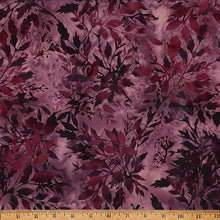
Because batiks are known for their rich dyes, we recommend prewashing them before beginning your project, particularly when working with strong, rich colors. They have a tendency to bleed more than traditional quilter's cotton.
If you do wash your batiks, use cold water and a mild detergent to help maintain the color. Avoid fabric softeners, which can leave behind residue and dull the surface of the fabric. Be sure to give your batik fabric a nice pressing before using as the wrinkles in a batik can be quite stubborn. We love using Magic Spray or Best Press.

Sewing With Batik Fabric
You can use batiks for all kinds of sewing and quilting projects, and they work especially well when you want strong color, visual texture, or crisp piecing.
Before you start sewing, give your fabric a light press to remove any creases or wrinkles. Then make sure your needle is sharp and in good condition. If you're having trouble with skipped stitches, changing to a fresh Microtex or Topstitch needle is a good first step.
Because of their tighter weave, you may also find that a slightly smaller stitch length gives you better results.
Otherwise, sew with them just as you would your other favorite quilting fabrics. Batiks can be mixed with other quilting cottons, used together in a full batik quilt, or incorporated as accents.
Can You Use Batik Fabric For Applique?
Yes! Because batiks have that dense weave they don't fray as easily as other fabrics making them well suited for applique.
If you enjoy needle turn applique you may find that denser weave makes it a bit more challenging to turn under that edge as you sweep your needle to turn the fabric under.
If you prefer using a starch or fabric glue to fold your fabric over an applique shape then you will love batiks for that method as they respond to the heat of an iron with a crisp edge.
If you would rather use a fusible web for applique with a raw edge machine applique technique then you love how little a batik frays! It makes it much easier to achieve a beautiful applique project when you use batiks.
How to Wash and Care for a Batik Quilt
Once you've finished your batik quilt, a little care can help those colors stay beautiful.
Wash your quilt in cold water with a mild detergent. Skip fabric softener, since it can leave residue behind and dull the fabric's surface. When it's time to dry, air dry your quilt or tumble dry it on low.
Sunlight is another consideration. While a quilt draped across a sunny chair can look beautiful, prolonged exposure to direct sunlight can fade fabric over time. Store or display your finished batik projects away from strong, direct sunlight whenever possible.

Choosing Batiks for Your Next Quilt
One of the best things about shopping for batiks is playing with color. You might build an entire quilt around one coordinated collection, gather several fabrics from the same color family, or use a multicolor batik as your starting point and pull coordinating colors from it.
Don't be afraid to put fabrics next to one another and see what happens. Batiks often have subtle color variations that aren't obvious until they're paired with other fabrics.
And because their patterns tend to add texture and movement without feeling overly literal, batiks can work beautifully in everything from traditional blocks to bold, modern quilts.
Of course, if you'd rather choose a curated precut bundle of batiks, we have those too!
Batik Fabric FAQs
What kind of needle should I use for batik fabric?
Can I mix batiks with regular quilting cotton?
How should I wash a batik quilt?
Will batik fabric fade?

Bring More Color to Your Next Quilt
Whether you're making your first batik quilt or already have a whole section of your stash devoted to them, these fabrics offer so many possibilities. Their saturated colors, intricate designs, and beautiful texture can make even a simple quilt pattern feel completely different.
With a sharp needle, a few small sewing adjustments, and proper care after the quilt is finished, you can enjoy those beautiful batik colors for years to come.
I’m Angela- Co-host of the Fons & Porter’s Love of Quilting PBS show. APQS Long arm Dealer and Educator. Triplet Momma. Designer. Thread Bimbo.



Leave a Reply