




How to Start Embroidery
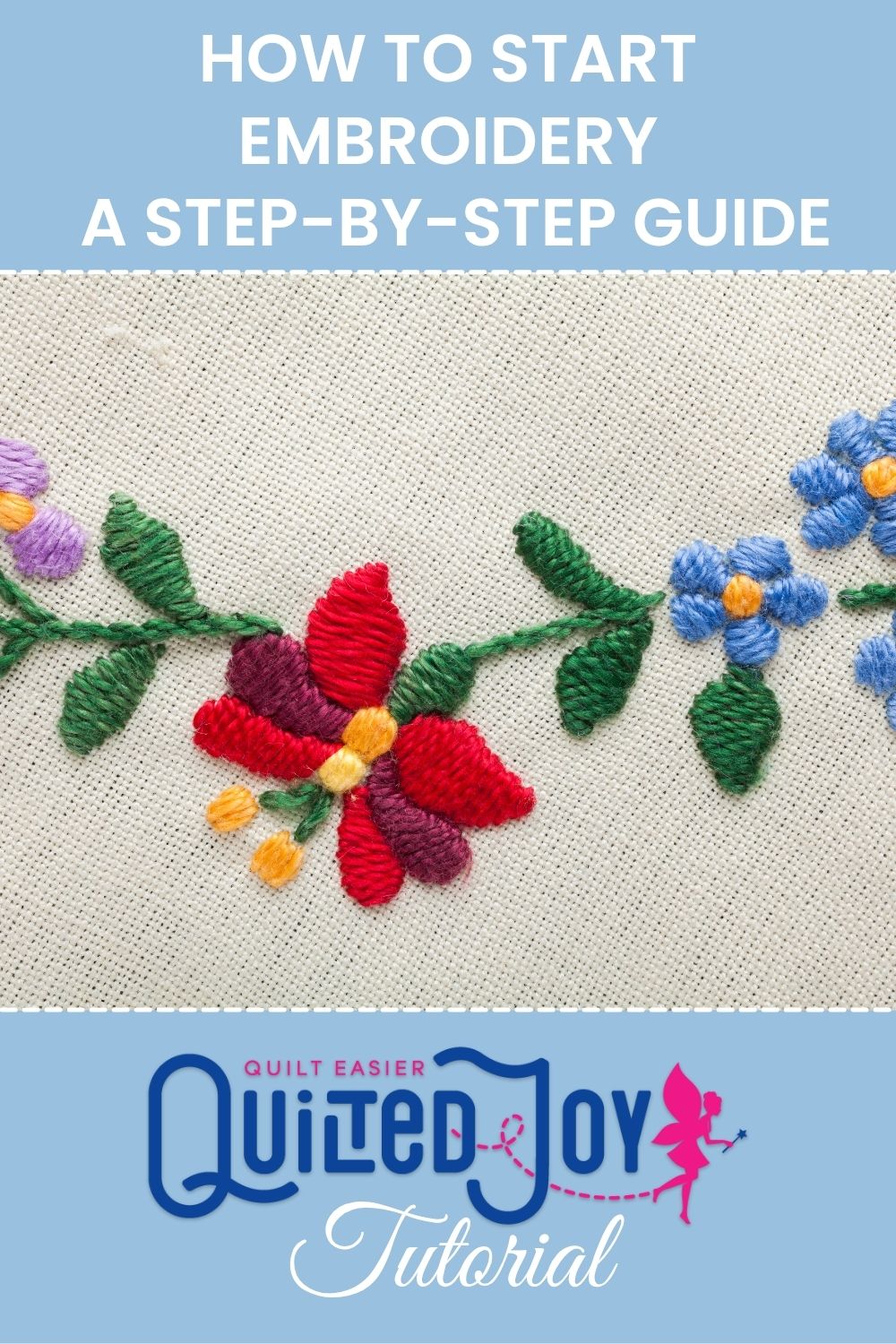
Picture this: you’re holding a plain piece of fabric, and within minutes, you’re adding little flowers, initials, or borders that make it completely your own. That’s the magic of embroidery! it’s simple to learn, relaxing to do, and rewarding from the very first stitch.

At its heart, embroidery is the art of decorating fabric with needle and thread to create patterns, pictures, or textures. From the silks of ancient China to the royal robes of medieval Europe and today’s modern quilts, embroidery connects generations of makers through creativity and craft.
A Little History of Embroidery
Embroidery has been practiced across nearly every culture in history. In ancient times, archaeologists discovered embroidered garments in Egyptian tombs and along the Silk Road in China.

During the Middle Ages, it adorned royal robes, battle flags, and church vestments—the famous Bayeux Tapestry even tells the story of the Norman conquest entirely in thread. Across Asia, Japanese nihon shishu and Indian zardozi styles elevated embroidery into incredible works of art. By the 19th and 20th centuries, pattern books and cotton floss brought embroidery into everyday homes. Today, embroidery is both tradition and trend, appearing on everything from hand-stitched hoops to embroidered quilts.
Hand Embroidery vs. Machine Embroidery
Hand embroidery uses simple tools; a hoop, needle, and thread, and offers a slow, meditative process full of personal touches. Machine embroidery, on the other hand, uses computerized stitching for fast, precise designs and endless creative options. Both bring joy to stitching; your choice depends on whether you want mindful, slow stitching or quick, polished results.

Is Embroidery Hard?
Not at all! Embroidery is like coloring inside the lines. You start simple, and your skill grows with every project. Every embroiderer makes mistakes, uneven stitches and small missteps are part of the charm. Over time, you’ll look back on your first wobbly stitches with pride because they mark the beginning of your creative journey.

What You Need to Start Embroidery
For Hand Embroidery
-
Hoop: Keeps fabric stretched evenly.
-
Needles: Embroidery needles (sizes 5–10) have larger eyes for thread.
-
Thread: Six-strand embroidery floss; use all strands or separate for finer lines.
-
Fabric: Plain cotton or linen works best when you’re learning.
-
Scissors: Small, sharp embroidery scissors keep cuts clean and tidy.
For Machine Embroidery
-
Embroidery machine: Your main tool, many include built-in designs.
-
Stabilizer: Tear-away or cut-away types prevent puckering.
-
Thread: Rayon or polyester embroidery thread adds a beautiful sheen.
-
Fabric: Quilting cotton, denim, felt, and knits all work wonderfully.
Starter kits make it easy to begin without guessing, and most beginner embroidery machines come bundled with supplies.
How Much Is an Embroidery Machine?
You might be surprised how affordable embroidery machines are today. Entry-level models start around $2,000, while mid-range machines add features like USB ports, larger hoops, and faster stitching.

High-end multi-needle models offer incredible precision and built-in cameras for design placement. Many hobbyists love combination machines that sew and embroider—it’s like getting two creative tools in one. Check out the New Baby Lock Reflection Sewing & Embroidery machine
Basic Stitches Every Beginner Should Learn
Practicing on scrap fabric builds confidence. Try these beginner-friendly stitches, and check out the video tutorials listed for each one to help you learn step by step
-
Running Stitch: Straight stitches like a dashed line, perfect for outlines.
-
Backstitch: Overlaps each stitch for a solid line.
-
Satin Stitch: Smooth stitches laid side by side to fill a shape.
-
French Knot: A small raised knot made by wrapping the thread around the needle.
-
Chain Stitch: Loops linked together for decorative borders.
Many beginners make a “sampler” where they practice each stitch type to see how they look.

Step-by-Step Beginner Projects

Project 1: Hand-Embroidered Monogram Napkin
Trace your initial on a cotton napkin using a water-soluble pen, outline it with backstitch, and fill it with satin stitch. Rinse away the markings, press flat, and enjoy your personalized napkin at your next gathering.
Project 2: Machine-Embroidered Tote Bag
Hoop the front of a canvas tote with stabilizer, load a floral design, and let your embroidery machine stitch the magic. Once finished, tear away the stabilizer, press flat, and admire your custom bag. Watch the video below for the full tutorial:
Project 3: Hand-Embroidered Hoop Wall Art
Draw a simple daisy pattern on fabric, stitch the petals in satin stitch, add French knots for the center, and use backstitch for the stem. Leave the fabric in the hoop and hang it for instant wall décor:
Common Questions from New Embroiderers
How long does it take to learn embroidery?
You can complete your first project in an afternoon!
Do I need expensive tools?
No. You can start hand embroidery for less than $20.
What if I make a mistake?
Simply snip the thread and try again, fabric is forgiving!

Tips for Embroidery Success
-
Start with small projects and simple designs.
-
Use lighter fabrics so stitches show clearly.
-
Separate floss strands for finer details.
-
Match stabilizer to fabric type for machine embroidery.
-
Practice patience—progress matters more than perfection.
Why Embroidery Is the Perfect Hobby for You
Embroidery is more than just a craft—it’s a creative outlet and a stress reliever. The gentle rhythm of stitching soothes the mind, while each finished piece reflects your unique creativity. It’s affordable, portable, and endlessly adaptable, whether you’re making home décor, embellishing clothes, or creating heartfelt gifts.

Your Embroidery Adventure Awaits
Embroidery is creativity stitched one thread at a time. Whether you’re picking up a hoop and floss or pressing start on an embroidery machine, you’re joining a centuries-old tradition of makers and dreamers. There’s no better time to begin, choose a small project, thread your needle, and take your first stitch. Soon, you’ll look back with pride at your progress and wonder why you didn’t start sooner.
I’m Angela- Co-host of the Fons & Porter’s Love of Quilting PBS show. APQS Long arm Dealer and Educator. Triplet Momma. Designer. Thread Bimbo.


Leave a Reply