




Beginner’s Guide to Machine Quilting Thread Weight and Ply
Choosing the right thread is just as important as picking your fabric or quilting design, and choosing a sewing machine for beginners or experts. In this post, we’ll explore how thread weight and ply affect your quilting results, how to read thread labels, and how to pick the best threads for your machine and project goals.
What Is Quilting Thread Weight?
Thread weight tells you how thick or thin a thread is. A lower number means a thicker thread, while a higher number means the thread is finer. For example, 40 weight thread is thicker and more visible than 80 weight thread, which is very fine and almost invisible on the quilt top.

Thread weight is not standardized across brands. Some use a "wt" number, while others use the Tex system, which measures how many grams 1,000 meters of thread weighs. That’s why it’s always a good idea to rely on how the thread feels and performs in your machine.
How to Read Thread Labels
Thread cones often show two numbers. The first number is the thread weight. The second number is the ply, which tells you how many strands are twisted together to make the thread.

A thread labeled 50/2 is 50 weight with 2 plies. More plies can make thread stronger, but they may also affect its thickness.
If you're using cotton thread, you might also see the staple length listed. Longer staple cotton is smoother and stronger, making it a good choice for longarm quilting where speed and tension demand high-quality thread.
Pro Tip: Don’t get too hung up on the numbers. Use your hands and eyes. Not all 40 weight threads are the same across different brands.
Quilting Thread Weight Chart
Use this handy guide to compare thread weights and shop your favorites:
| Thread Weight | Appearance | Common Uses |
|---|---|---|
| 8 wt Perle Cotton | Very thick | Big stitch quilting, decorative hand quilting |
| 40 wt | Medium | Visible quilting lines, all-over designs |
| 50 wt | Fine | Piecing, general sewing, light quilting |
| 60 wt | Extra-fine | Ditch quilting, subtle detail, bobbin use |
| 100wt | Ultra-fine | Background fills, micro quilting, applique |
| Monofilament (invisible) | Nearly invisible | Stitch-in-the-ditch, applique, quilting across multiple colors |
Quilting Thread vs Regular Sewing Thread
Quilting thread is made to handle multiple layers of fabric and batting. It has stronger tension control, smoother finishes, and is often produced from higher-grade fibers like long-staple cotton or durable polyester.

Sewing thread for garments or crafts may not be strong enough for high-speed quilting or detailed stitching and may not hold up to the wear and tear quilts experience.

Best Thread for Longarm Quilting
Longarm machines need thread that performs well under pressure. Look for:
-
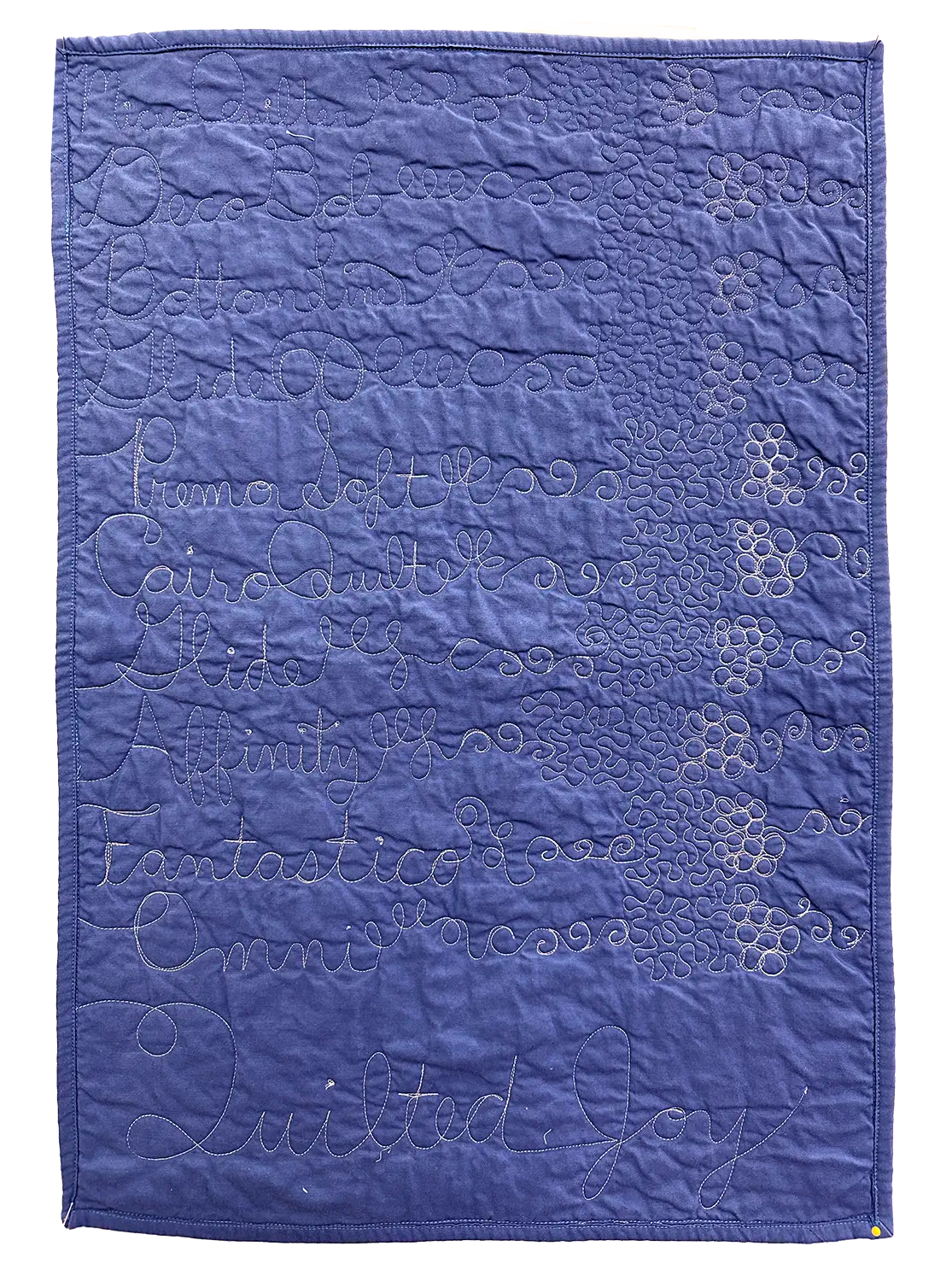
Glide 40 wt for top quilting, especially edge-to-edge designs or pantographs
- PremoSoft 50 wt for the soft, matte look of cotton with the strength and durability of polyester
-
Glide 60 wt for subtle detail work or bobbin thread
-
MicroQuilter 100 wt for tight background fills or micro-quilting
-
Monofilament for invisible stitching
Tip: Even when you use a heavier thread on top, we recommend a slightly skinnier thread in the bobbin such as 60 wt Magna Glide Pre-wound Bobbins or DecoBob pre-wound bobbins. This helps reduce bulk, improves stitch balance, and lets you fit more thread in the bobbin for longer quilting sessions.
If you’re just getting started with longarming, 40 wt Glide polyester is a forgiving choice that is easy to tension and strong enough for most projects.
Best Thread Weight for Hand Quilting
For traditional hand quilting, try using 50 wt cotton. It is strong, visible, and glides nicely through the layers.
Many modern quilters prefer big stitch quilting for a more decorative look. To achieve this, they often use 8 wt WonderFil Eleganza Perle Cotton. This thicker thread creates large, eye-catching stitches that add both texture and personality to the quilt.

Perle Cotton thread is measured differently than standard machine quilting thread. With Perle Cotton, the higher the number, the finer the thread, so 8 wt Perle Cotton is thicker than standard quilting threads. It is perfect for bold, visible stitching.
When stitching with Perle Cotton, use a larger needle such as a size 3 or 5 embroidery needle. This helps the thicker thread glide through the quilt layers smoothly.
Frequently Asked Questions
Can I use the same thread in the top and bobbin?
You can, but we usually recommend using a slightly finer thread in the bobbin. A skinnier thread such as 60 wt Magna Glide Pre-wound Bobbins, or 80 wt DecoBob pre-wound bobbins, reduces bulk, improves stitch balance, and lets you wind more thread onto the bobbin. This is especially helpful when quilting with a heavier top thread.
Is polyester thread okay for quilting?
Yes. Modern polyester threads like Glide are smooth, strong, and less prone to lint than cotton. They hold up beautifully in both domestic and longarm machines, even at high speeds, and are available in a wide range of colors and finishes.
What is monofilament thread used for?
Monofilament thread is a nearly invisible thread made from clear or smoke-tinted polyester. It blends into the fabric, making it ideal for stitch-in-the-ditch quilting, applique, or quilting across multiple fabric colors without frequent thread changes. It is also useful for adding subtle texture without introducing color contrast.
For best results, lower your top tension slightly and pair monofilament with an ultra fine bobbin thread like 80 wt DecoBob pre-wound bobbins. Our polyester monofilament is heat-resistant, soft, and less prone to yellowing than older nylon versions.
What is 50 weight thread used for?
50 wt thread is a fine, versatile thread ideal for piecing, general sewing, and light quilting. It creates flat seams, blends well with fabric, and works beautifully in both domestic and longarm machines. Popular options include Aurifil 50 wt Cotton and Mettler 50 wt Cotton.
How does Tex 30 compare to 50 weight thread?
Tex 30 is roughly equal to 40–50 wt thread, depending on the brand. Because thread weight and Tex are measured differently and there’s no universal standard, it’s best to compare by look, feel, and stitch results rather than relying on numbers alone.

Quilt Fairy Picks for Piecing & Machine Quilting
The Quilt Fairies know that the right thread can make all the difference. Here’s what they reach for when the magic starts:
-
Glide 40 wt – A go-to for all-purpose quilting. It glides through the machine like a dream, has a soft shimmer, and makes quilting lines stand out beautifully.
-
Aurifil 50 wt – Perfect for piecing and traditional quilting. It helps seams lie flat and melts into the fabric.
- Mettler Silk-Finish Cotton 50 wt – Smooth, strong cotton ideal for piecing and quilting when you want a matte, natural look.
-
Glide 60 wt – A fine choice for delicate details or as a bobbin thread to keep stitches light and smooth.
-
MicroQuilter 100 wt – The tiniest, most delicate thread in the bunch. Ideal for dense background fills or when you want the quilting to vanish into the fabric.

Your thread choices shape the final look and feel of your quilt. Whether you're highlighting your design with bold Glide 40 wt, blending into the background with MicroQuilter 100 wt, piecing with Aurifil 50 wt Cotton, making a statement with WonderFil Eleganza Perle Cotton for big stitch quilting, or creating invisible stitches with Monofilament, your thread is a key part of your creative toolkit.
Don't be afraid to experiment. Play with weights, colors, and finishes. You may be surprised by what a difference your thread can make.
I’m Angela- Co-host of the Fons & Porter’s Love of Quilting PBS show. APQS Long arm Dealer and Educator. Triplet Momma. Designer. Thread Bimbo.



Leave a Reply